

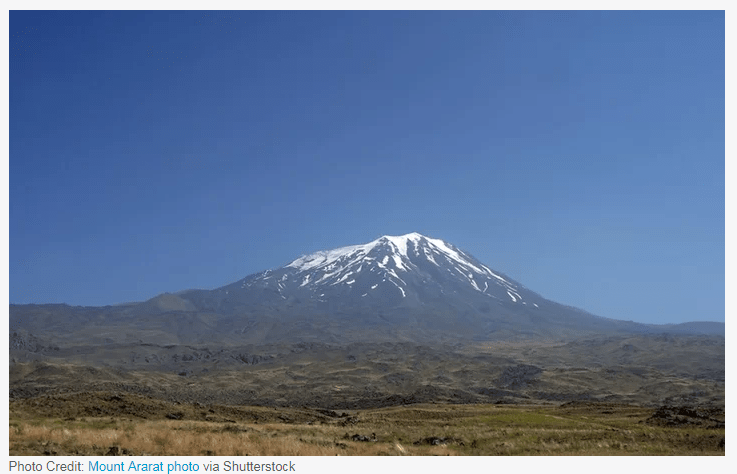
There is so much to be learned and so little time. 🙂
Good morning everyone needing just a quiet hour or two on Sunday morning to simply grab a cup of coffee or herbal tea in my case, and just read for the sake of learning something new. Here we go:
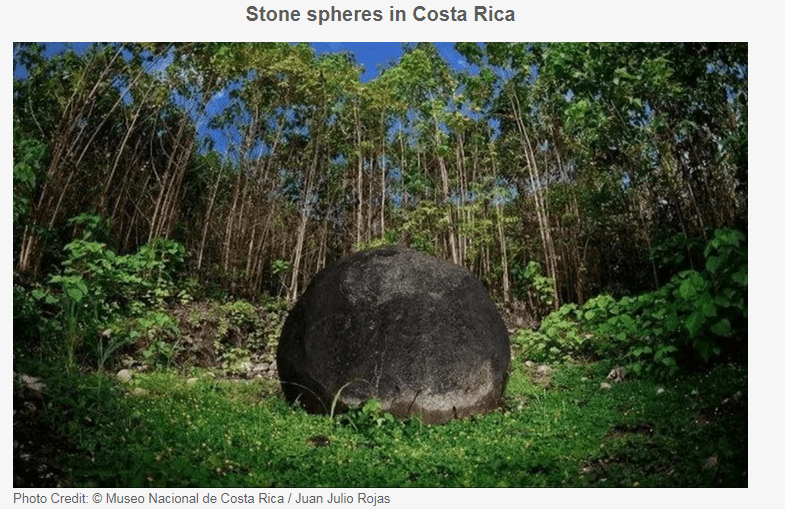
Giant stone spheres — some dating as far back as A.D. 600 — pepper the Diquis Delta of southern Costa Rica. Known locally as Las Bolas (“The Balls”), these monuments were the works of a Pre-Colombian civilization, and most are made from gabbro, a rock that forms from molten magma. The people who carved the stones into their perfectly spherical shapes likely did so using other small stones, according to archaeologists who study the ancient rocks.
Many non-experts have speculated that the so-called Diquis Spheres were used for astronomical purposes, while others think they may have pointed the way to significant places. The truth is that no one knows for sure. The Chibchan people who once populated Costa Rica and other parts of Central America vanished in the wake of the Spanish conquest, and the purpose of the spheres vanished with them, John W. Hoopes, an anthropologist at the University of Kansas, told JSTOR Daily in January 2016.
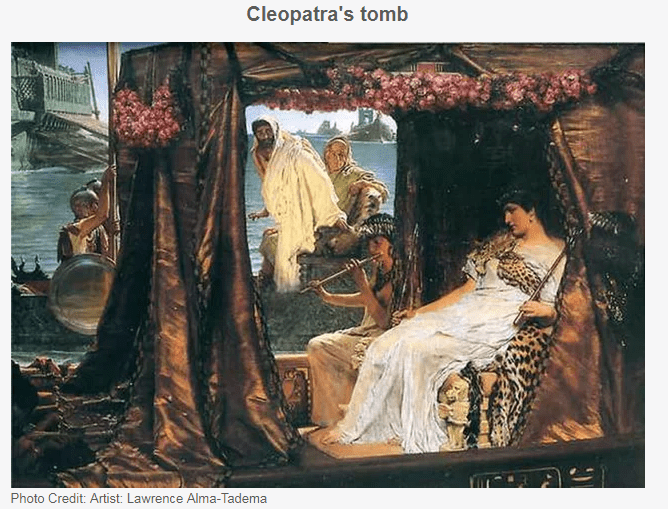
Cleopatra VII was the last of a series of rulers called the Ptolemies who ruled Egypt between 305 and 30 B.C. Much is known about her intelligence, beauty and romantic relationships (she had children with both Julius Caesar and Mark Antony), but one fact about Cleopatra is still shrouded in mystery — her burial place.
Cleopatra and Antony both committed suicide after their former ally, Octavian, defeated them at the Battle of Actium in 31 B.C. The two were buried together at a site that the writer Plutarch (A.D. 45-120) described as a “lofty and beautiful” monument, located near a temple of the Egyptian goddess Isis. But exactly where this tomb is located remains a mystery. If anyone ever finds the lovers’ tomb, there’s a chance it might be empty, as grave robbery was not uncommon in ancient times, according to archaeologists.
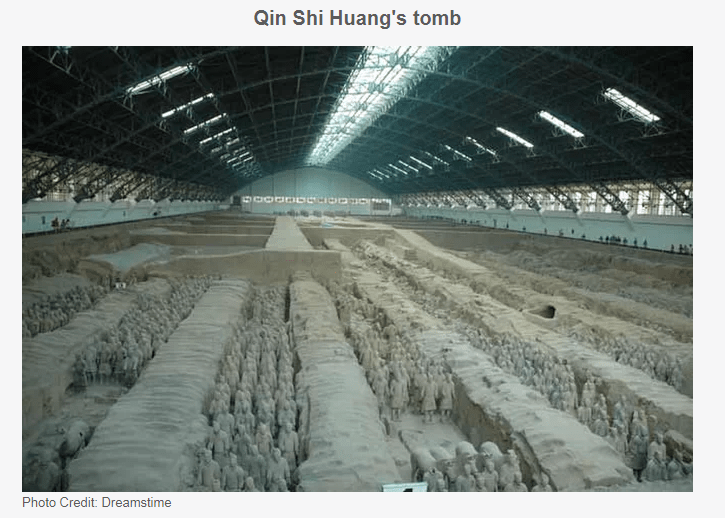
In 1974, farmers in China’s Shaanxi province accidentally unearthed one of the biggest archaeological finds of the 20th century — the life-size terracotta armyof Emperor Qin Shi Huang (259 B.C. – 210 B.C.).
The intricately carved figures aren’t a mystery: Historians know that the clay army was created to defend China’s first emperor in the afterlife. What isn’t known, however, is where exactly the emperor is buried or what treasures his burial chamber might contain. [See Photos of the Ancient Terracotta Warriors]
A pyramid-shaped mausoleum is located about a mile to the northeast of where the terracotta army was discovered. However, no one has actually entered the mausoleum that holds Qin Shi Huang’s remains.
The first emperor’s final resting place is the most opulent tomb ever constructed in China, according to ancient documents describing its construction. An underground palace, complete with a surrounding “kingdom,” the mausoleum is made up of a network of caves and even included a state-of the-art drainage system. Whether archaeologists will ever have the technology they need to safely excavate the tomb (which also happens to contain extremely high levels of mercury) remains a mystery, as do the many treasures that lay inside.
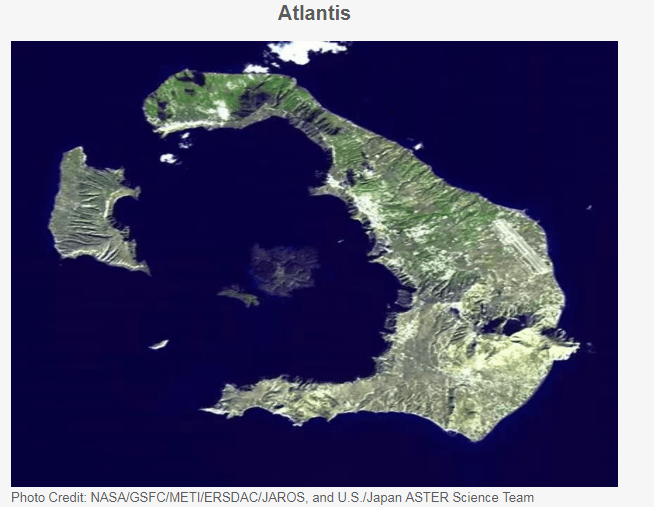
The lost city of Atlantis has been discovered in the Bahamas, the Greek Islands, Cuba, and even Japan if every claim was to be believed.
First described by the ancient Greek historian Plato in 360 B.C., the mythological island was supposedly a great naval power before sinking into the sea over 10,000 years ago in a catastrophic event.
Archaeologists debate the actual historical existence of the island as well as its most plausible location if it ever actually existed among the many sunken ruins discovered around the world. But even without definitive proof, Atlantis continues to engage the popular imagination like few other archaeological mysteries out there.

From the ground, the Nazca Lines of Peru are nothing spectacular. However, seen from the air, from which they were first spotted by commercial aircraft in the 1920s and 30s, they are staggering.
Archaeologists agree the enormous shapes there are hundreds of them, ranging from geometric lines to complicated depictions of animals, plants and imaginary figures were made over 2,000 years ago by people of the pre-Inca Nazca culture, who simply removed the red surface pebbles to reveal the lighter earth below in designs of their choice.
Just why they did it remains enigmatic, prompting conspiracy theorists to float ideas about alien landings and ancient astrology. The lines were more likely to have been a ritual communication method with the Nazca’s deities, say archaeologists.

What is it with all these mysterious stones? In 2016, archaeologists in Glasgow, Scotland, excavated a 5,000-year-old stone slab (and its enigmatic history).
The so-called Cochno Stone…go here
{featured image Mount Ararat and more articles – continue here}
 rawsilkandsaffron.com